
When Should You Consider Cyanide Processing for Gold? A Guide for Small Mining Investors
In the gold mining industry, cyanide leaching is one of the most widely used methods for gold extraction. Many investors believe that cyanide processing automatically means higher gold recovery. As a result, some new mining companies immediately consider building a cyanide plant when planning their projects.
However, cyanide processing is not always the best choice, especially for small mining investors who have limited budgets or little mineral processing experience. In many cases, starting with cyanide can significantly increase the risk and cost of a project.
Understanding when cyanide processing is truly necessary is critical for the success of any gold mining operation.
What Is Cyanide Processing in Gold Mining?
Cyanide processing, commonly known as cyanide leaching, is a chemical method used to extract gold from ore. In this process, crushed ore is treated with a cyanide solution, which dissolves gold and allows it to be recovered through further processing steps.
This method is particularly effective for ores where gold particles are extremely fine and cannot be easily recovered by gravity separation.
Today, cyanide leaching is widely used in large-scale gold mining operations around the world.
However, while the technology itself is mature, the successful operation of a cyanide plant requires much more than simply adding chemicals to ore.
When Cyanide Processing Becomes Necessary
Cyanide leaching is typically considered under the following conditions:
1. The Gold Particles Are Extremely Fine
When gold particles are too small to be recovered by gravity methods such as sluice boxes, centrifugal concentrators, or shaking tables, cyanide leaching may be necessary to achieve higher recovery rates.
Many hard rock gold deposits contain microscopic gold particles that are locked within the ore. In such cases, gravity separation alone may not be sufficient.
2. The Deposit Has a Stable and Long-Term Production Plan
Cyanide processing systems require significant investment in infrastructure, including:
Crushing and grinding circuits
Leaching tanks or heap leach systems
Chemical storage and dosing systems
Tailings management facilities
Environmental protection systems
Because of these requirements, cyanide plants are usually built for long-term operations with stable ore supply.
3. The Project Has Strong Technical and Operational Support
Cyanide processing requires experienced engineers and operators who understand:
Chemical dosage control
Process monitoring
Environmental safety standards
Detoxification and tailings management
Without a skilled technical team, operating a cyanide plant can become extremely difficult.
Why Many Small Mining Investors Should Be Cautious
For many new investors or small mining companies, cyanide processing can introduce unnecessary complexity at the early stage of a project.
Some of the common challenges include:
High Initial Investment
Building a cyanide plant requires a significant capital investment compared to simple gravity processing systems.
In addition to equipment costs, investors must also consider infrastructure, chemical supply, safety systems, and environmental compliance.
Operational Complexity
Cyanide processing is a chemical process that must be carefully controlled. Incorrect chemical dosing, poor plant design, or improper operation can lead to poor recovery rates or even environmental risks.
Environmental and Regulatory Requirements
Many countries have strict regulations regarding cyanide use in mining operations. Companies may need permits, monitoring systems, and proper tailings management facilities before they can legally operate a cyanide plant.
For new investors who lack experience in mineral processing, these requirements can create significant operational challenges.
Starting with Simpler Gold Recovery Methods
In many gold mining projects, especially alluvial or placer deposits, gravity separation methods can recover a large portion of the gold without the complexity of chemical processing.
Common gravity equipment includes:
Sluice boxes
Centrifugal concentrators
Vibrating sluices
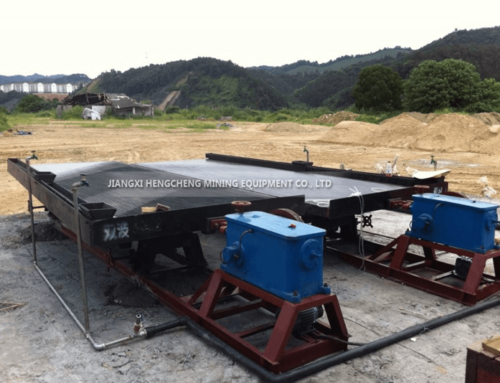
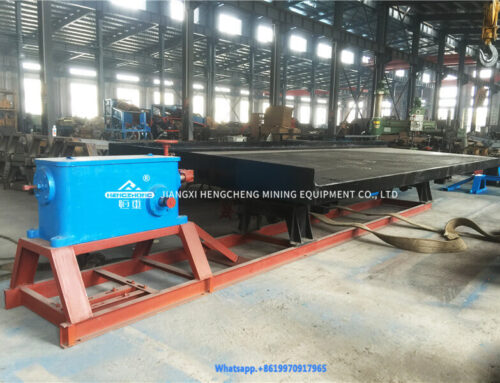
Shaking tables
These methods are widely used because they are simple, cost-effective, and easy to operate. They also allow investors to better understand the characteristics of their ore before investing in more complex processing technologies.
For many projects, gravity recovery can achieve very competitive recovery rates when the gold particles are relatively coarse.
A Practical Strategy for New Mining Investors
For investors who are new to gold mining, a more practical strategy is to start with a simple and flexible processing system.
By first implementing gravity recovery methods, operators can:
Evaluate the actual gold recovery potential
Generate early cash flow
Gain operational experience
Reduce financial risk
Once the deposit is better understood and the operation becomes more stable, additional processing steps—such as flotation or cyanide leaching—can be considered if necessary.
Conclusion
Cyanide processing remains one of the most effective technologies for extracting gold from certain types of ore, particularly when gold particles are extremely fine.
However, it is not always the right starting point for every mining project.
For many small mining investors, especially those with limited budgets or limited mineral processing experience, beginning with simpler gravity recovery methods is often a safer and more practical approach.
A well-designed processing strategy should always be based on the characteristics of the ore, the scale of the project, and the technical capabilities of the operating team.
Understanding these factors can help investors avoid costly mistakes and build a more sustainable gold mining operation.


Leave A Comment
You must be logged in to post a comment.