Chrome Ore Washing Plant for Soil & Alluvial Chrome Processing
What is a Chrome Ore Washing Plant?
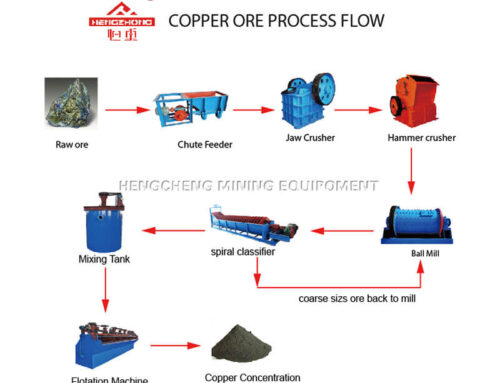
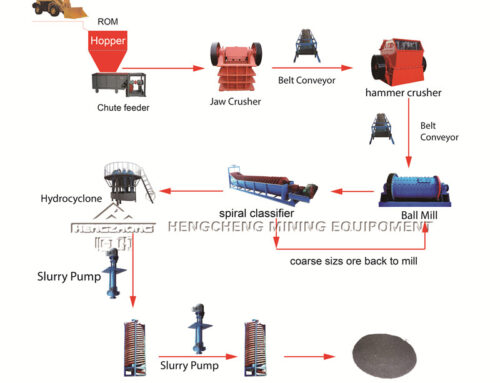
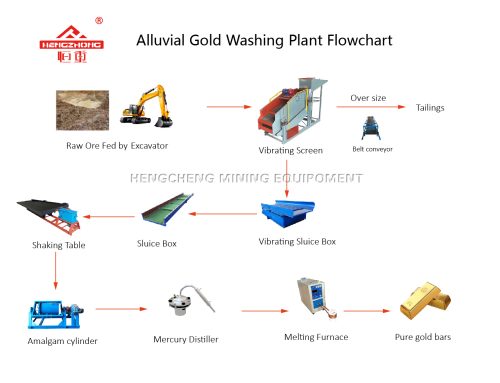
A chrome ore washing plant is a complete processing line designed to remove clay, soil, and impurities from chromite ore, preparing it for gravity separation and concentration. Unlike crushing-heavy rock chrome processing, soil chrome and alluvial chrome deposits require a washing-first approach: breaking down clay, screening out waste, and then using gravity separation to recover chromite. Moreover, our plants are designed for high efficiency with minimum water and power consumption. Therefore, they are an ideal choice for soil chrome, alluvial chrome, and sedimentary chrome deposits.
Standard Flow Sheet: From Raw Soil Chrome to Chrome Concentrate
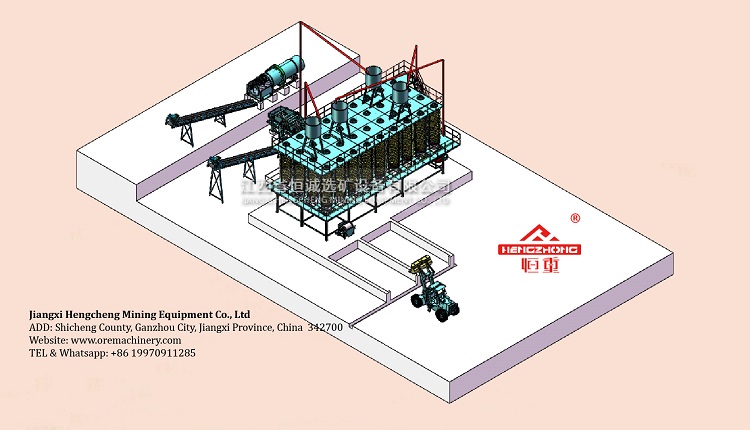
Based on our proven design, the standard chrome ore washing process follows these stages:
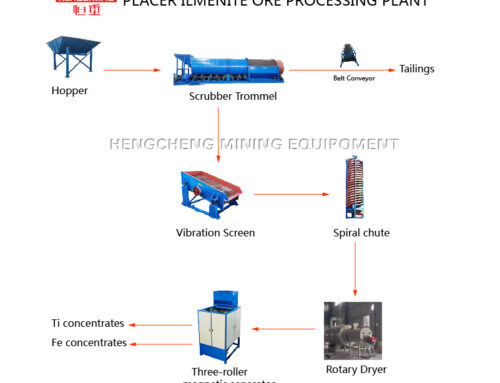
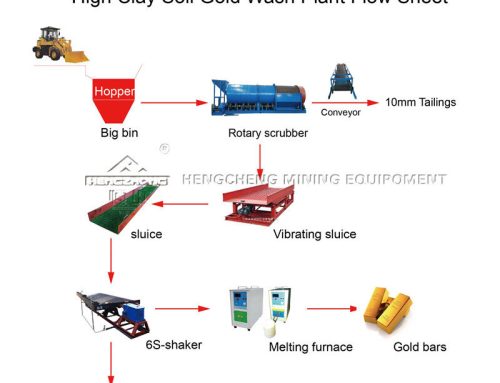
Stage 1: Washing & Scrubbing (Rotary Scrubber): Raw ore is fed into a heavy-duty rotary scrubber, where high-pressure water and intense rotational agitation break down clay and cemented soil, liberating chrome particles.
Stage 2: Screening (Vibrating Screen): The scrubbed material is screened to separate oversized waste (>2mm) from the fine chrome-bearing slurry (<2mm).
Stage 3: Gravity Separation (Spiral Chutes): The deslimed slurry is pumped to spiral chutes for multi-stage gravity separation, effectively recovering coarse and fine chromite particles based on specific gravity differences.
Stage 4: Magnetic Separation(Magnetic Separator): For high-grade concentrate requirements, a magnetic separator can be added to remove iron and further upgrade the chrome concentrate.


Classic Case Study: 40 TPH Soil Chrome Wash Plant in Zimbabwe
To help you understand our design capability, here is a classic case study: a 40 TPH soil chrome washing plant designed for a client in Zimbabwe. This project demonstrates our ability to deliver complete, turnkey solutions tailored to specific ore conditions.
Project Overview:
Location: Zimbabwe
Ore Type: Soil chrome (high clay content)
Capacity: 40 TPH
Feed Size: <150mm
Process: Washing → Screening → Spiral Chute Gravity Separation → Magnetic Separation
Core Equipment List (40 TPH Case):
| Item | Model | Qty | Function |
|---|---|---|---|
| Rotary Scrubber | RXT1560 (1.5×6m) | 1 set | Washing & scrubbing, breaking down clay |
| Spiral Chute | 5LL-1200 | 36 sets | Gravity separation of chromite |
| Linear Vibrating Screen | ZKB1540 (1500×4000mm) | 1 set | Screening out oversized waste |
| Slurry Pump | 6/4D-AH (18.5kW) | 2 sets | Pumping slurry to spiral chutes |
| Slurry Pump | 4/3C-AH (11kW) | 2 sets | Pumping slurry to spiral chutes |
| Water Pump | ISR200-150-315A (45kW) | 1 set | Supplying water to the plant |
| Belt Conveyor | 0.65m × 12m | 2 sets | Conveying materials |
| Magnetic Separator | CTB0615 | 1 set | Removing iron to upgrade concentrate |
Project Outcome: The plant successfully processes 40 TPH of soil chrome ore, achieving high chrome recovery and a clean, high-grade chromite concentrate.
Modular & Scalable Design: From 10 TPH to 500 TPH
One of our biggest advantages is flexibility. The 40 TPH case above is just one example. Our chrome ore washing plants are designed with a modular approach, which means we can scale the design up or down based on your specific requirements:
Small-Scale: 10-20 TPH, ideal for small mining operations or pilot projects.
Medium-Scale: 30-50 TPH, suitable for small to medium mining operations.
Large-Scale: 100-500 TPH, designed for large-scale commercial mining.
How does the scaling work? The core process remains the same — washing, screening, desliming, and spiral chute gravity separation. To increase capacity, we simply add more modules: more spiral chutes, larger scrubbers, and higher-capacity pumps. Conversely, to reduce capacity, we reduce the number of modules. Therefore, you get a solution that perfectly matches your budget and production goals, without over-investing in equipment you don‘t need.
Chrome Ore Washing Plant working video
Why Choose Hengcheng for Your Chrome Ore Washing Project?
With over 25 years of experience in mineral processing equipment manufacturing, we have successfully delivered chrome ore washing projects to over 23 countries, including Zimbabwe, South Africa, and Madagascar. Furthermore, we provide a full package of services — from engineering consultation and mineral processing experiments to on-site installation, commissioning, and personal training. Therefore, you can rely on us from the very beginning of your project to the final operation.
Frequently Asked Questions
Q: What is the processing capacity of your chrome ore washing plant?
A: We offer customized solutions ranging from 10 TPH to 500 TPH. The 40 TPH plant in Zimbabwe is one of our classic designs, but we can scale it up or down based on your specific requirements.
Q: What is the difference between soil chrome and alluvial chrome?
A: Soil chrome ore contains high clay content and requires a rotary scrubber for thorough washing. Alluvial chrome ore is typically found in riverbeds and may require less scrubbing but more screening and gravity separation. We design the flow sheet based on your specific ore conditions.
Q: How does the spiral chute work for chrome separation?
A: The spiral chute uses a combination of gravity, centrifugal force, and water flow to separate heavy chromite particles from lighter gangue minerals. It requires no power and has a high recovery rate.
Q: Can I add a magnetic separator to my chrome washing plant?
A: Yes. If your chrome concentrate requires further upgrading, we can add a magnetic separator to remove iron and increase the chrome grade.
Q: What is the delivery time for a chrome ore washing plant?
A: Typically 35-45 working days after receiving the advance payment, depending on the scale of the project.