Indonesia Mining Equipment Market CAGR of 6.43% Driven by EV Supply Chain Expansion
Indonesia has transformed itself into a global mining powerhouse. With the world’s largest nickel reserves, significant copper deposits, and a government mandate to process minerals domestically rather than export raw ore, the country‘s mining equipment market is experiencing unprecedented growth.
Numbers That Matter
The Indonesia surface mining equipment market alone is valued at approximately USD 2.5 billion. What’s driving this expansion? A powerful combination of policy mandates, foreign investment, and the electric vehicle revolution.
Policy: The Downstream-Processing Mandate
Indonesia‘s ban on unprocessed nickel exports—and the 2025 restrictions on copper concentrate shipments—has fundamentally changed the country’s mining landscape. Raw ore can no longer leave the country. Instead, it must be processed domestically into higher-value products: ferronickel, nickel matte, mixed hydroxide precipitate (MHP), and ultimately battery-grade nickel sulfate.
This policy shift has unlocked massive investment in mineral processing plants far beyond conventional mining equipment. Three Vale Indonesia HPAL (High Pressure Acid Leach) smelters now operate in Sulawesi, each requiring:
– High-pressure acid-leach autoclaves
– Sulfuric acid plants
– Mixed-hydroxide precipitate circuits
– Process control systems
These are not typical open-pit mining fleets. They are sophisticated chemical process plants, creating new demand for specialized mineral processing equipment.
EV Supply Chain: The Nickel Opportunity
Indonesia contributes the majority of the world‘s nickel output, and global EV battery makers are racing to secure supply. Vale Indonesia’s 20-year license extension and partnerships with Tesla-linked companies signal multi-decade horizons for mine-to-cathode production lines.
On the copper side, Amman Mineral‘s 900,000 tons per annum plant and Freeport’s 700,000 tpa Fakfak smelter represent major expansions. These complexes consume integrated equipment footprints—pit-to-port conveyors, 200 MW power plants, and anode furnaces—shifting procurement toward high-throughput, digitally-controlled assets.
Digitization and Autonomy
Skill shortages and deeper pits are pushing Indonesian operators to automation. Epiroc expanded Jakarta facilities in 2025 to assemble autonomous surface drill rigs locally, while Sandvik increased Indonesia field-service engineers for AutoMine deployments.
Caterpillar‘s collision-avoidance retrofit packages rolled out at multiple Kalimantan coal pits reduced recordable incidents by 25% in 2024, making insurers more willing to lower premiums.
Compact BEVs for Small Contract Miners
Perhaps most interesting for mid-sized mineral processing operations: smaller contract miners across Sumatra and Kalimantan are shifting to compact battery-electric vehicles (BEVs) as diesel prices rise and government incentives expand. This creates aftermarket opportunities for supporting processing equipment that handles smaller feed rates.
Local Content Rules (TKDN)
Indonesia’s TKDN regulations require minimum local content percentages for mining equipment used in-country. This is driving retrofit opportunities and encouraging international manufacturers to establish local assembly lines, component supply chains, and service networks.
Opportunities for Mineral Processing Equipment Suppliers
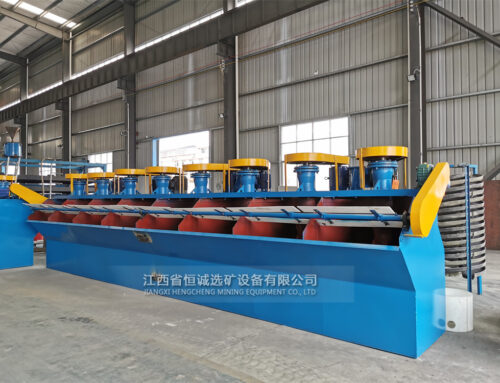
For companies like Jiangxi Hengcheng, Indonesia presents multiple entry points:
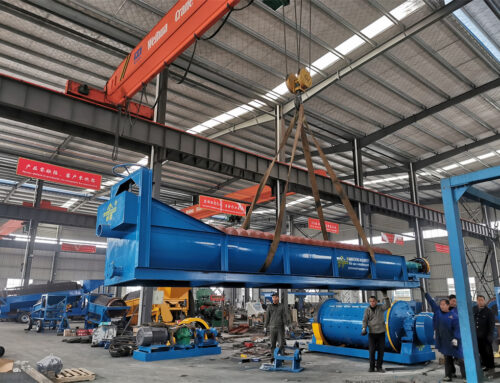
– Small to medium-scale mineral processing plants: Many nickel laterite and copper operations require modular processing lines that fit existing mine infrastructure
– Aftermarket components: Lining replacement, valve refurbishment, process reagent handling systems remain in high demand behind major plants
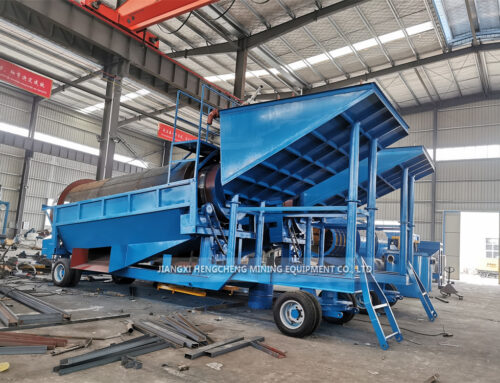
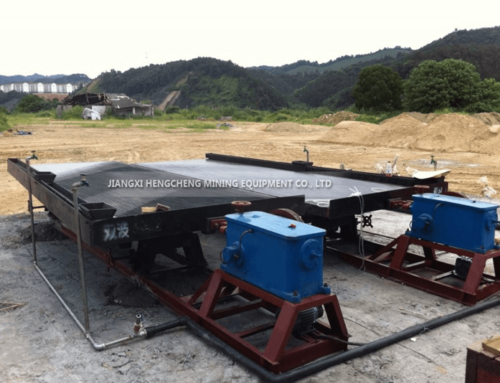
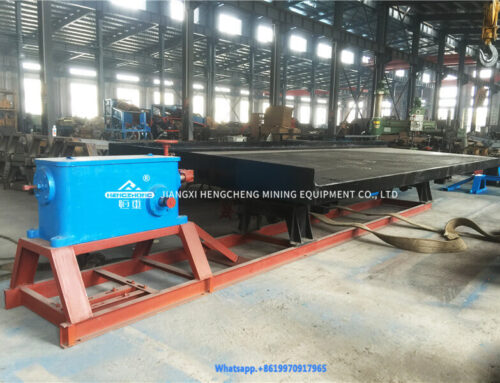
– Gravity concentration equipment: Alluvial gold, tin, and chromite processing remain active sectors outside the major nickel-copper corps
– Engineering and technical training: Indonesian operators increasingly seek vendor support for process optimization rather than just equipment supply
How Hengcheng Can Help Indonesian Customers
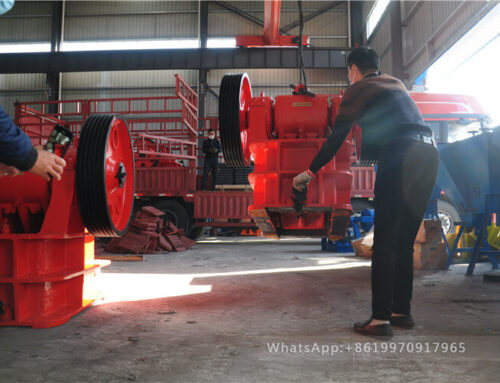
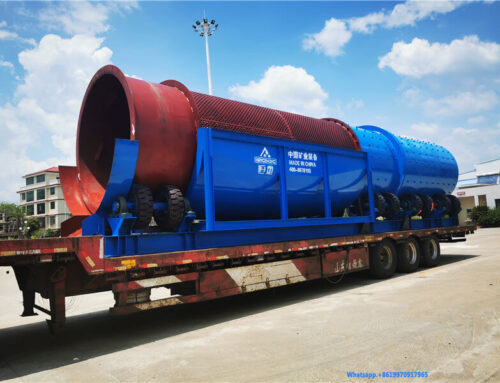
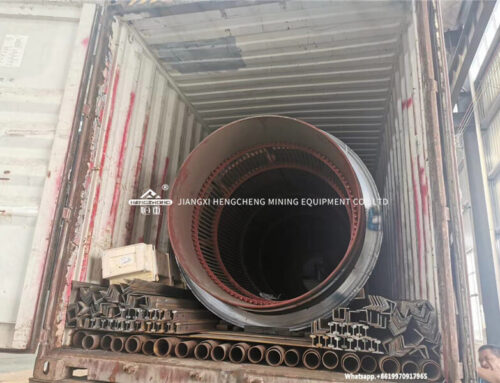
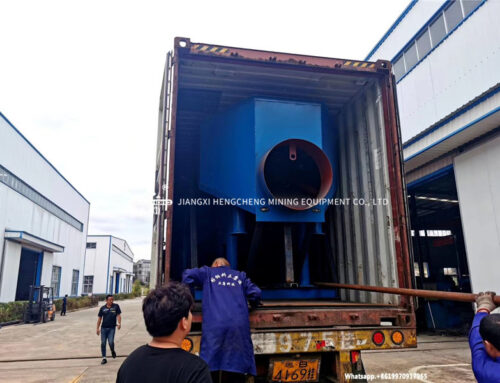
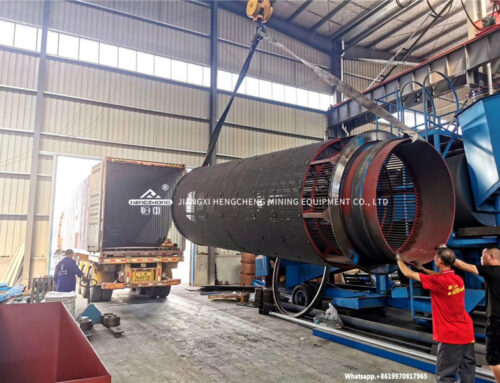
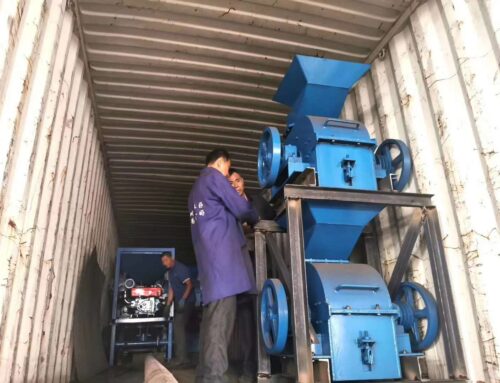
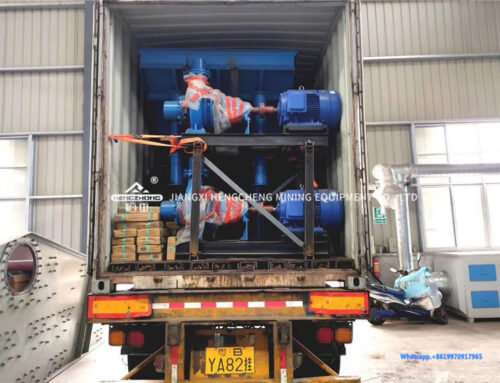
Jiangxi Hengcheng has supplied gravity separation and mineral processing lines to Indonesia for tin, gold, iron sand, and industrial mineral applications. Engineering teams can advise on flowsheet design, equipment selection, and installation sequencing that accounts for Indonesia‘s remote site logistics and tropical operating conditions.
=== TAKEAWAYS ===
– Indonesia surface mining equipment market: USD 2.5 billion
– Downstream-processing mandate driving plant-level capital investment
– Nickel and copper expansion for EV battery supply chain
– Digitization, autonomy, and BEV adoption accelerating
– CAGR of 6.43% expected through 2030