Grate Discharge vs. Overflow Ball Mills: Structure, Performance, and Selection Guide
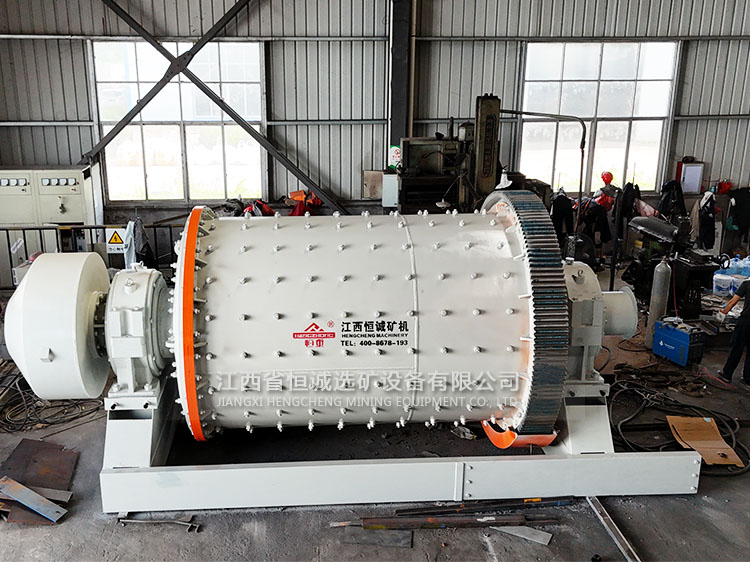
Wet ball mills are a mainstream grinding solution in mining and powder processing. When evaluating a grate discharge vs overflow ball mill, you’ll find they share a similar shell but differ significantly in their internal discharge structure and ore discharge method—leading to different performance characteristics and application scenarios.
Key Takeaways
Grate discharge ball mills use forced discharge, offering faster discharge, higher capacity, and less overgrinding, making them suitable for primary coarse grinding of hard ores.
Overflow ball mills use gravity overflow discharge, providing higher product fineness and more uniform particle size, making them ideal for secondary and tertiary fine grinding.
A classic industry configuration is grate discharge primary grinding + overflow secondary fine grinding, balancing throughput and fineness.
01 Grate Discharge vs Overflow Ball Mill: Discharge Principles
Grate Discharge Ball Mill: Forced Discharge
The discharge end of a grate discharge ball mill is equipped with grate liner plates with bar-shaped slots, and sector-shaped lifting chambers are arranged behind the grate plates. During operation, slurry passes through the grate slots into the lifting chambers, is lifted as the cylinder rotates, and is then discharged by gravity through the hollow trunnion. This is a forced discharge method. The grate plates retain the grinding balls inside the mill for continued grinding.
Grate discharge workflow:
Slurry enters through grate slots → lifted in the discharge chamber → discharged by gravity; grinding balls are retained by the grate.
Overflow Ball Mill: Overflow Gravity Discharge
The discharge end of an overflow ball mill uses a solid liner without discharge slots and has no grate discharge structure. Discharge relies on the slurry level inside the mill rising above the hollow trunnion, allowing the slurry to overflow naturally by gravity. A built-in reverse spiral in the hollow trunnion returns grinding balls that overflow with the slurry back into the mill.
Overflow discharge workflow:
Slurry level rises above the hollow trunnion → natural overflow → reverse spiral returns grinding balls; simple structure with no grate.
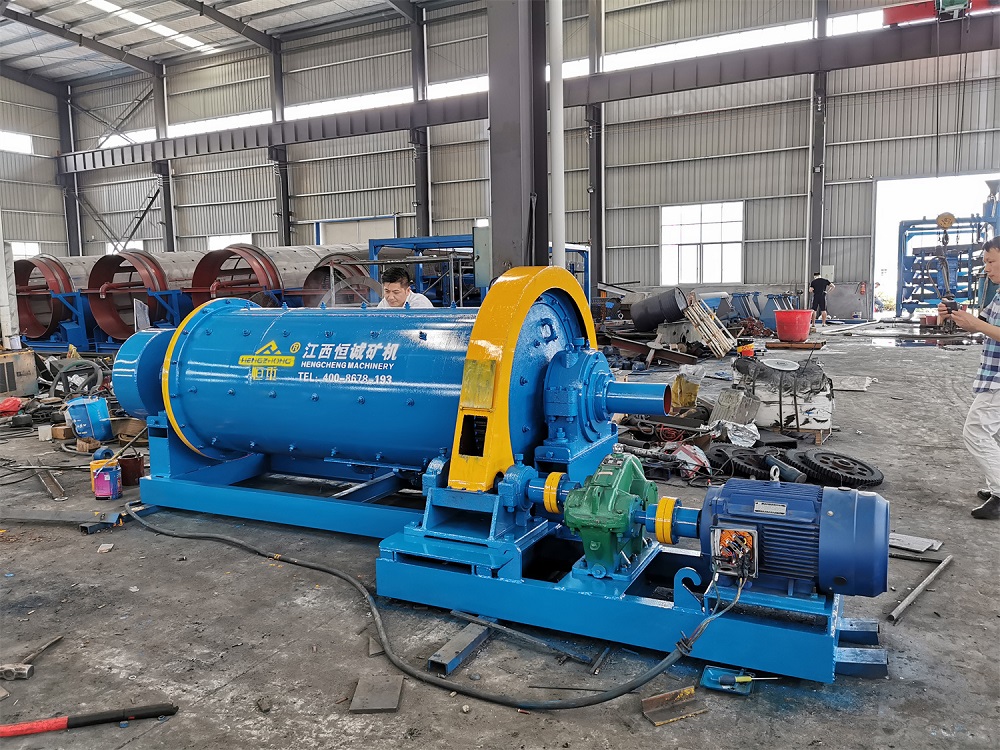
02 Grate Discharge Ball Mill: Advantages, Disadvantages, and Applications
✅ Advantages
Fast discharge speed and higher throughput at the same specification.
Shorter slurry residence time, resulting in less overgrinding and less mineral sliming.
Allows a higher grinding ball filling rate and provides stronger impact crushing capability, making it suitable for hard ores.
⚠️ Disadvantages
More components in the discharge structure.
Grate liner plates wear quickly, and slots are prone to clogging.
Higher spare parts consumption and maintenance workload.
Product particle size is relatively coarse, making it unsuitable for ultrafine grinding.
🎯 Typical Applications
Primary coarse grinding in closed-circuit processes, often used together with cyclones or classifiers.
Widely used for hard ores such as iron ore and gold ore.
Preferred when the priorities are high throughput and suppression of overgrinding.

03 Overflow Ball Mill: Advantages, Disadvantages, and Applications
✅ Advantages
Simple discharge structure and fewer wear parts.
Easy maintenance and lower equipment cost.
Longer slurry residence time and more thorough grinding.
Higher product fineness and more uniform particle size distribution.
⚠️ Disadvantages
Slower discharge and lower capacity than a grate discharge mill of the same specification.
Higher slurry level makes it more prone to overgrinding.
Limited grinding ball filling rate and weaker crushing capability.
Not suitable for large feed particles or high-hardness ores.
🎯 Typical Applications
Secondary and tertiary fine grinding operations.
Suitable for nonferrous metal ores with fine dissemination, such as copper, lead, and zinc ores, as well as non-metallic powder processing.
Preferred for grinding processes targeting high product fineness.
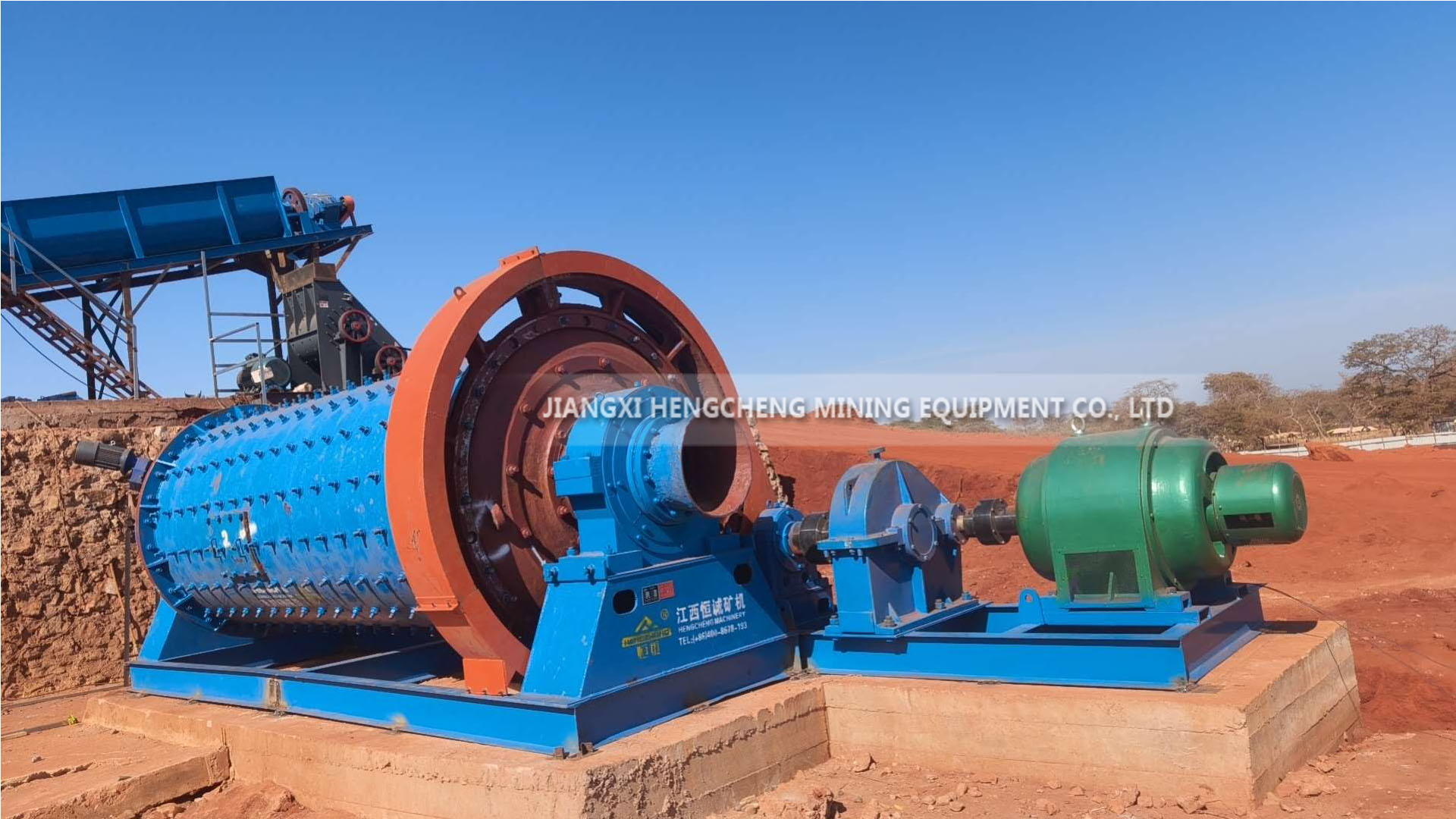
04 Grate Discharge vs Overflow Ball Mill Comparison at a Glance
| Comparison Item | Grate Discharge Ball Mill | Overflow Ball Mill |
|---|---|---|
| Discharge method | Forced discharge | Overflow gravity discharge |
| Discharge speed | Fast | Slow |
| Capacity at same specification | Higher | Lower |
| Product fineness | Relatively coarse | Fine and uniform |
| Overgrinding tendency | Low | Relatively high |
| Maintenance cost | Higher (liners wear faster) | Lower (simple structure) |
| Typical applications | Primary coarse grinding, hard ores | Secondary/tertiary fine grinding, finely disseminated ores |
05 Selection Summary
Neither mill type is absolutely superior. The right choice depends on the grinding stage and ore characteristics. When making a decision regarding a grate discharge vs overflow ball mill, a classic industry configuration is: Grate discharge ball mill for primary coarse grinding + Overflow ball mill for secondary fine grinding. This combination balances processing capacity and grinding fineness.