PE Primary Jaw Crusher for Coarse Crushing
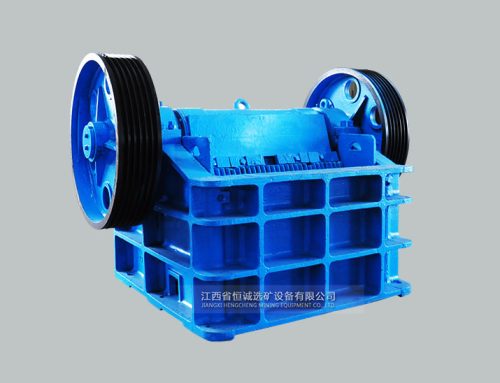
A PE primary jaw crusher is a heavy-duty machine designed for the first stage of crushing in mining, quarrying, and construction. First of all, it is engineered to accept large-sized run-of-mine (ROM) materials and reduce them into manageable sizes for subsequent processing. Unlike secondary crushers, the PE series features a large feed opening and a deep crushing cavity, allowing it to handle rocks up to 1020mm with ease. Therefore, it is the essential first step in any mineral processing or aggregate production line.
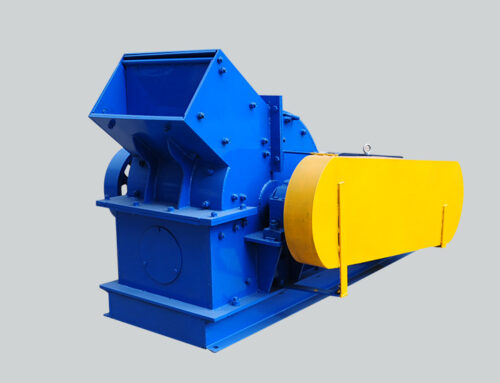
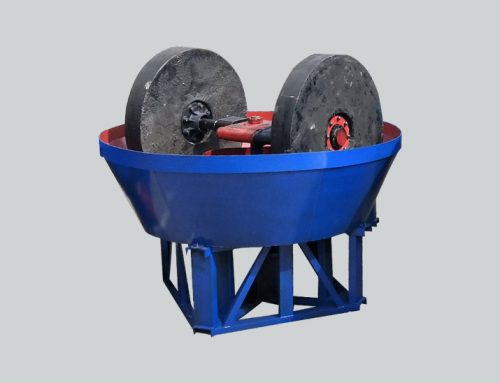
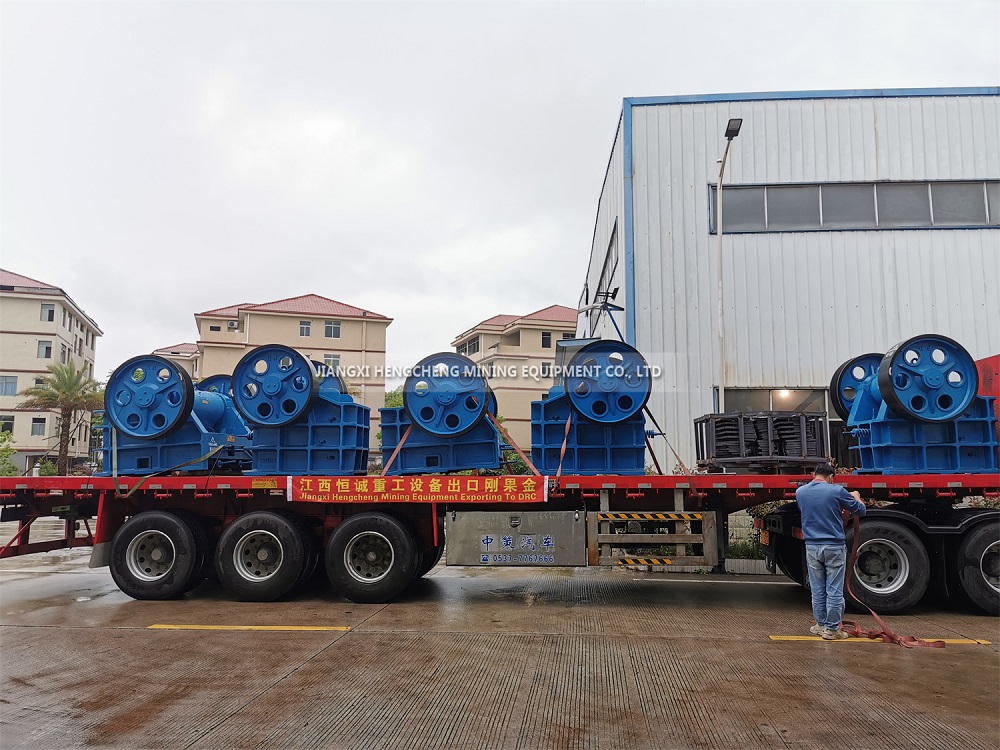
PE Jaw Crusher Pictures
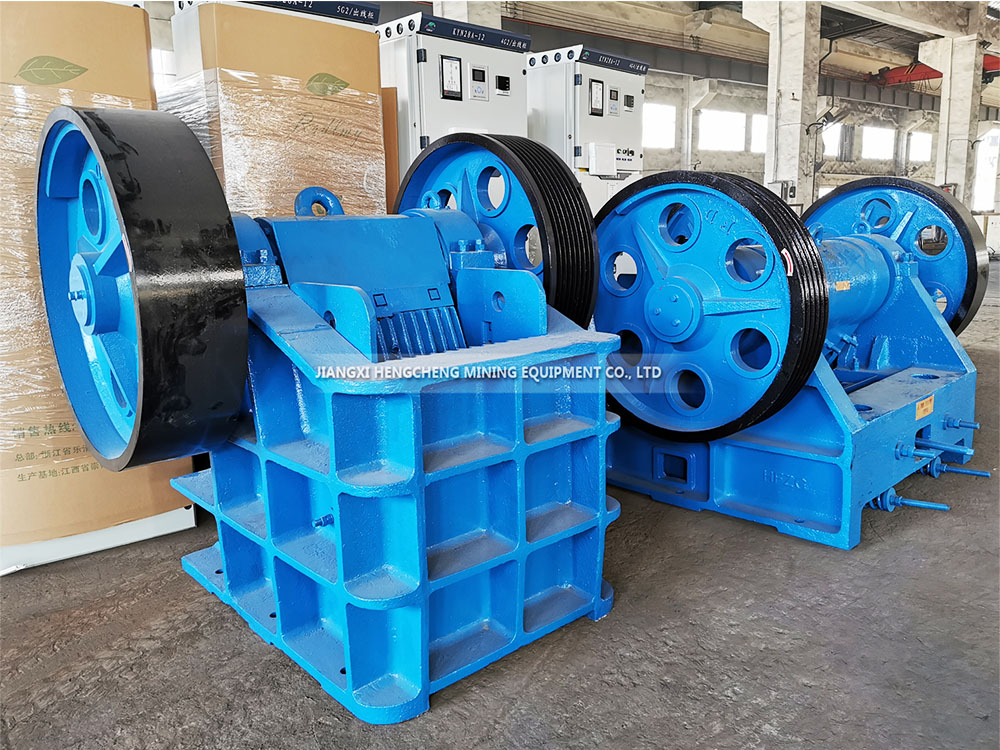
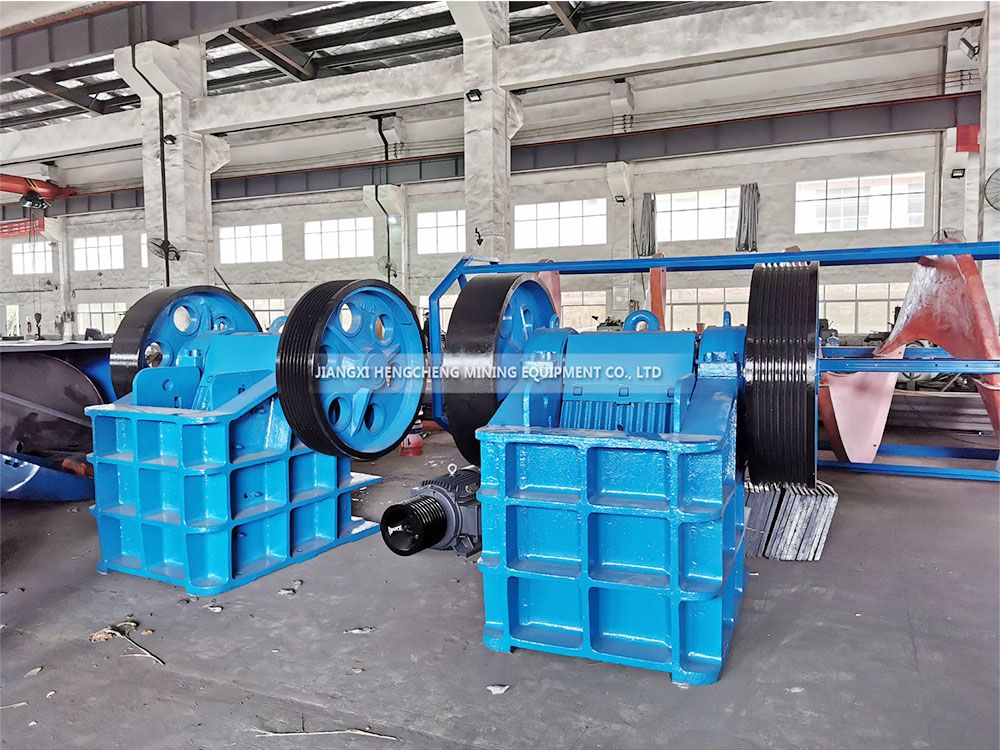
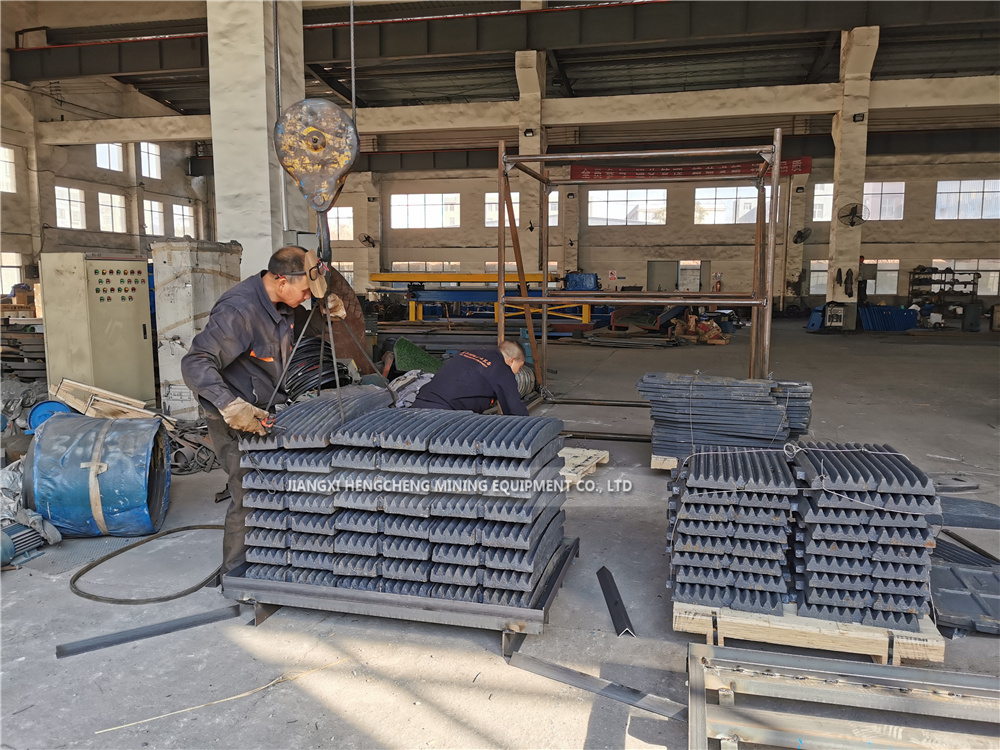
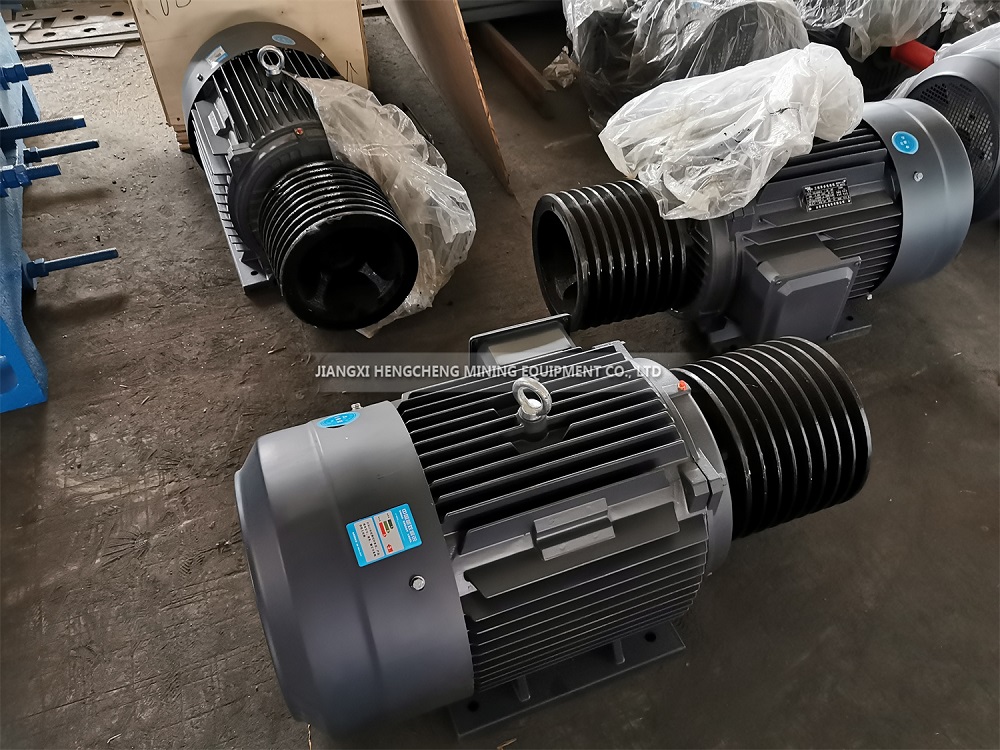
Working Principle: How Does a Jaw Crusher Crush Rock?
The jaw crusher operates on a simple but highly effective principle:
Motor-Driven Eccentric Shaft: An electric motor drives the belt and pulley, making the movable jaw move up and down along a regulated track.
Compression Crushing: When the movable jaw pushes against the fixed jaw, the material is crushed by compression and bending forces.
Discharge: When the movable jaw retreats, the crushed material is discharged from the bottom opening. The discharge opening can be adjusted via a gasket to control the final product size.
Consequently, this mechanical process achieves a high crushing ratio and uniform final product size.
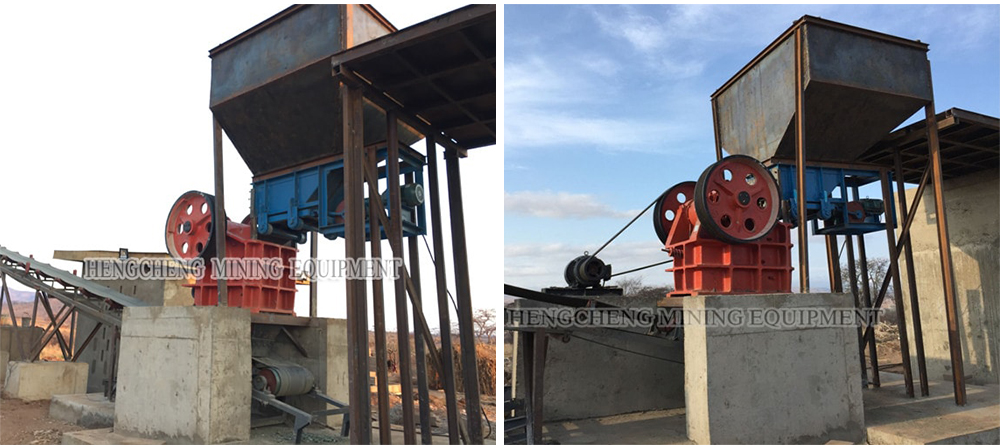
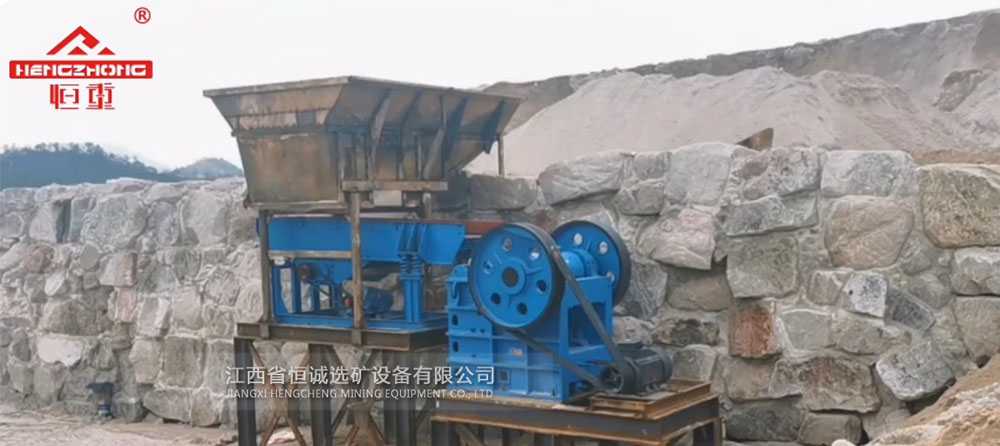
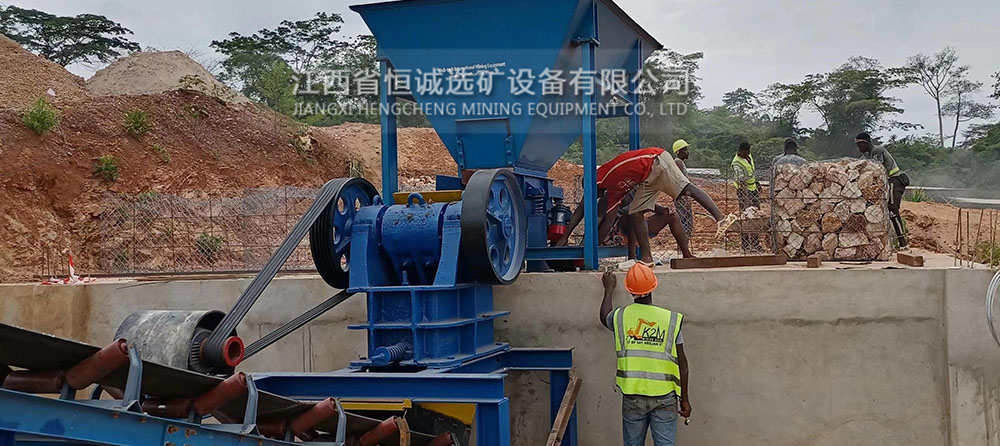
Key Features of Our PE Primary Jaw Crusher
Large Feed Opening: Designed to accept large rocks directly from excavators or dump trucks, reducing the need for primary screening.
Deep Crushing Cavity: Increases feeding capacity and output capacity, ensuring high crushing efficiency.
High Crushing Ratio: Produces homogeneous final product size with minimal over-crushing.
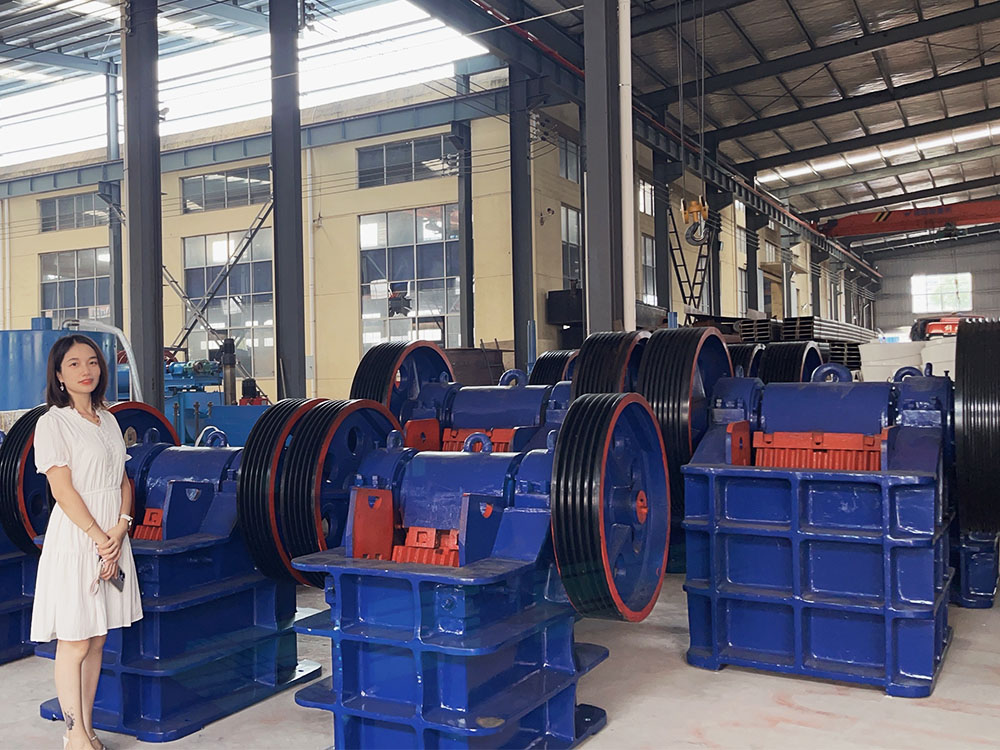
Robust Structure: Built with high-strength steel and high-manganese jaw plates for maximum durability in harsh mining environments.
Reliable Lubrication System: Safe and reliable, with easy replacement of spare parts.
PE Series Technical Specifications
| Model | Feed Opening (mm) | Max. Feed Size (mm) | Discharge Range (mm) | Capacity (t/h) | Motor Power (kW) |
|---|---|---|---|---|---|
| PE-400×600 | 400×600 | 340 | 40-100 | 16-55 | 30 |
| PE-500×750 | 500×750 | 425 | 50-100 | 45-100 | 55 |
| PE-600×900 | 600×900 | 500 | 65-160 | 70-120 | 75 |
| PE-750×1060 | 750×1060 | 630 | 80-140 | 110-250 | 110 |
| PE-900×1200 | 900×1200 | 750 | 95-165 | 220-450 | 110 |
| PE-1200×1500 | 1200×1500 | 1020 | 150-300 | 400-800 | 160 |
How to Choose the Right PE Model?
How to Choose the Right PE Model?
Choosing the right model depends on your project requirements. First of all, check the maximum feed size of your raw ore; the crusher’s feed opening must be at least 10-15% larger than the largest rock. Secondly, determine your required hourly capacity (t/h). Finally, consider the desired discharge size, which determines the settings for the next stage. Our engineers can help you calculate the perfect match.
Internal Guide: Need a Secondary Crusher?After primary crushing, your material may still be too large for grinding mills. If you need a finer, more uniform discharge size (10-40mm) for your processing plant, our PEX Secondary Jaw Crusher is the perfect match to form a complete crushing circuit.
👉 Explore our PEX Secondary Jaw Crusher
Frequently Asked Questions
Q: What is the difference between PE and PEX jaw crushers?
A: PE series is designed for primary (coarse) crushing with a large feed opening, while PEX series is designed for secondary (fine) crushing, producing a smaller, more uniform discharge.
Q: Can the PE crusher handle wet and sticky ore?
A: Yes, the deep cavity and strong compression force allow it to handle slightly sticky materials, but extreme clay should be washed first.
Q: How often should I replace the jaw plates?
A: It depends on the abrasiveness of your rock. Typically, high-manganese jaw plates can last 6 to 12 months in hard rock applications.