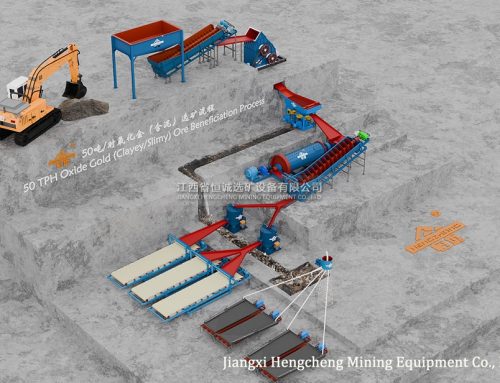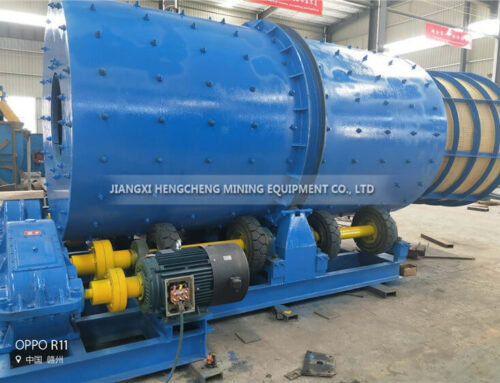
A Practical Guide for Project Managers
Why Ore Characteristics Dictate Equipment Selection
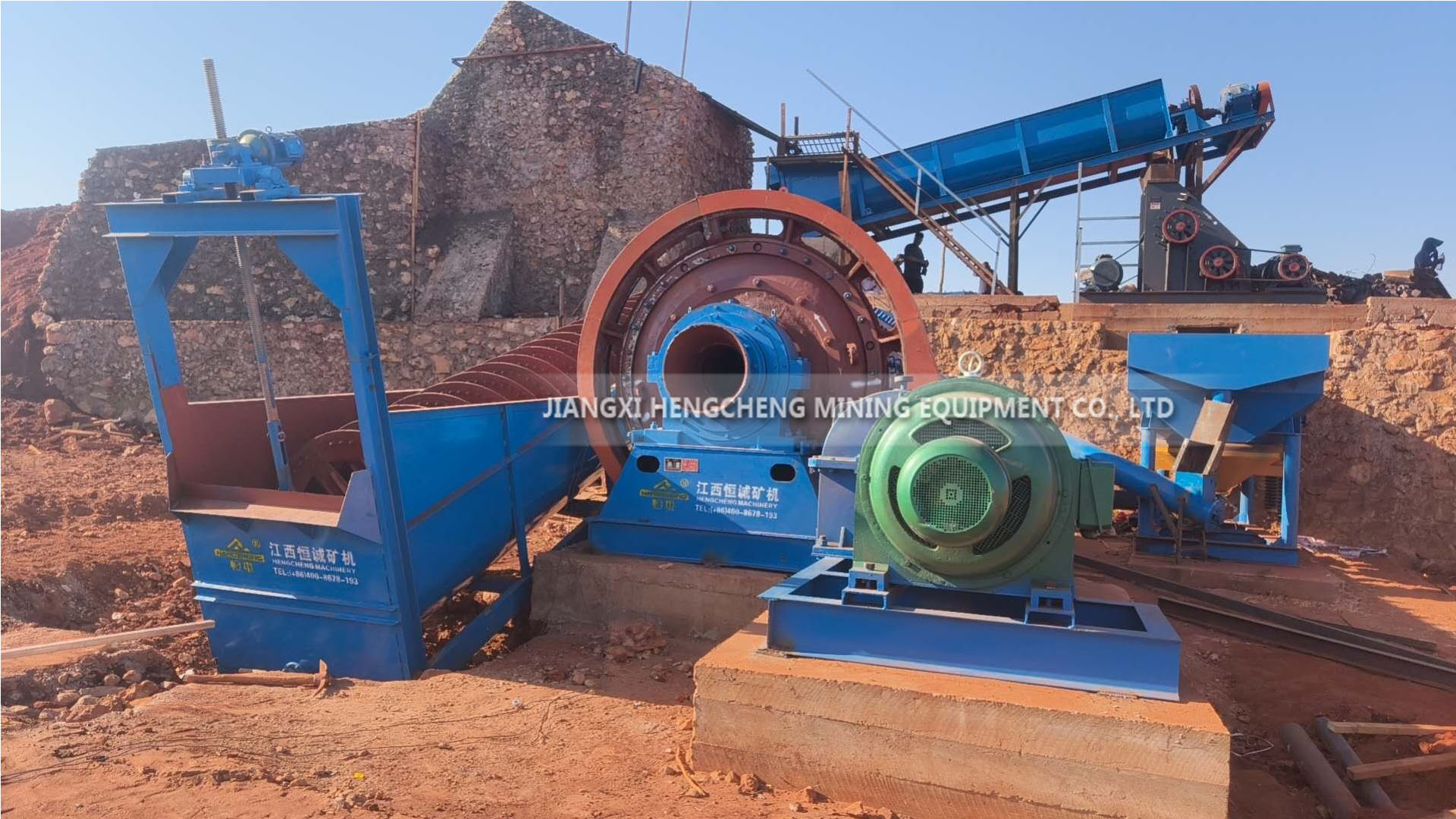
When you choose mineral processing equipment for specific ore types, one principle is non-negotiable: the ore dictates the equipment, not the other way around. Hardness, clay content, moisture, liberation size, mineral associations, and abrasiveness all determine how crushing, grinding, and separation equipment will actually behave in production.
Two ores with identical grades can perform completely differently in a mill or flotation circuit. When equipment is chosen without matching ore properties, the consequences appear months later: crushers wear out ahead of schedule, mills never reach design capacity, and flotation performance fluctuates daily with feed changes. For project managers planning a new plant or upgrading an existing circuit, understanding these ore-driven selection criteria is the first step toward stable production and predictable operating costs.
Step 1: Understand the Key Ore Properties
Before comparing equipment models, gather reliable ore characterization data. The following properties have the greatest influence on equipment behavior:
Mohs hardness and abrasiveness. Mohs hardness determines the energy required for crushing and grinding, as well as the wear rate of liners and grinding media. Soft ores (Mohs 2.5–3) such as limestone can be handled with standard jaw or hammer crushers, while hard, abrasive ores (Mohs 6–7) such as quartz and feldspar require wear-resistant liners and may justify cone crushers or vertical shaft impactors. The Bond Work Index, obtained through standardized laboratory testing, provides a quantitative basis for mill sizing.
Clay content and moisture. High clay content causes material to adhere to chutes, screens, and crusher chambers, leading to blockages and reduced throughput. Ores with significant clay require washing equipment such as rotary scrubbers or log washers before crushing and screening. Moisture above 5% may also justify a rotary dryer upstream of dry separation stages.
Liberation size. The size at which valuable minerals are sufficiently liberated from gangue determines the required grind size, which in turn defines the grinding circuit configuration. Over-grinding wastes energy and can create slimes that reduce recovery, while under-grinding leaves locked particles that report to tailings.
Mineral associations and separation-relevant properties. The specific gravity difference between valuable minerals and gangue, magnetic susceptibility, and surface wettability (floatability) determine which separation method—gravity, magnetic, flotation, or a combination—will be effective.
Step 2: General Principles to Choose Mineral Processing Equipment
Once ore data is available, equipment selection should follow several engineering principles that apply across ore types:
Match capacity and account for variability. Equipment should be sized to the plant’s design throughput, but also able to handle variations in feed size distribution and hardness over the life of the mine. Oversized equipment wastes capital; undersized equipment limits production and accelerates wear.
Prefer fewer, larger units where maintenance allows. Using the least number of large machines is usually more profitable than multiple small units, provided that maintenance and spare-part strategies support this approach. This reduces labor requirements, floor space, and the number of wear points to monitor.
Standardize equipment models. When selecting equipment within each processing stage, keeping specifications and models as similar as possible simplifies maintenance, reduces spare-parts inventory, and shortens operator training time.
Consider auxiliary equipment from the start. Feeders, conveyors, slurry pumps, and dust-collection systems are often treated as afterthoughts, yet poor auxiliary design is a common cause of commissioning delays. Intermediate ore bins and surge capacity between crushing stages, for example, should be calculated according to the maximum production capacity of the upstream crusher.
Step 3: Select Equipment by Ore Type and Separation Method
Gravity Separation Equipment
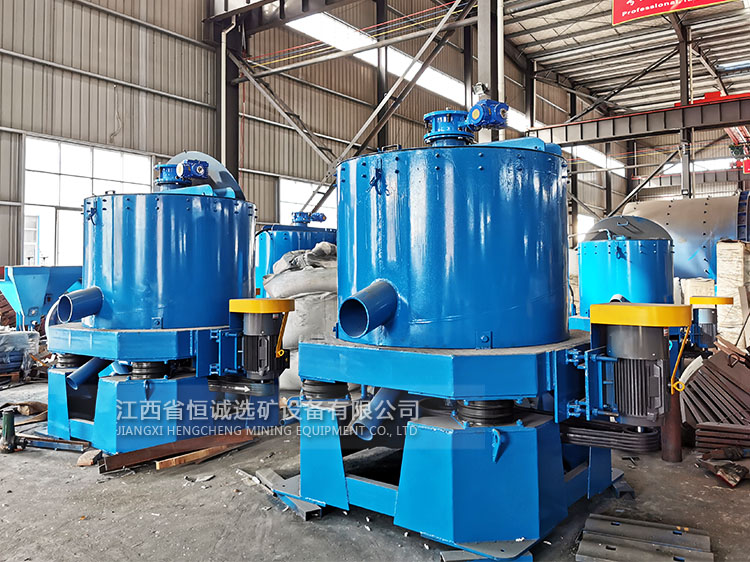
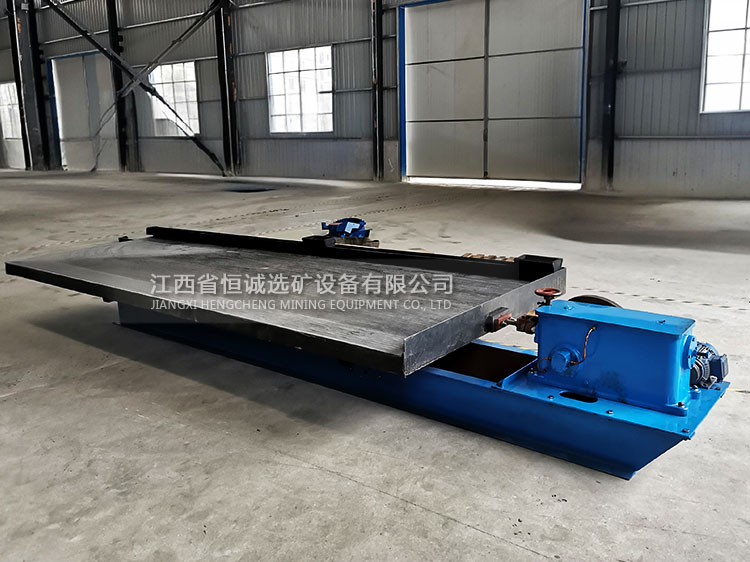
Gravity separation suits ores where the valuable mineral has a significant specific gravity difference from gangue. Gold (SG ~19.3), cassiterite, wolframite, and tantalite are classic examples. Gravity methods are preferred for their low operating cost, stable recovery, and environmental friendliness.
| Equipment | Typical Feed Size | Primary Application |
|---|---|---|
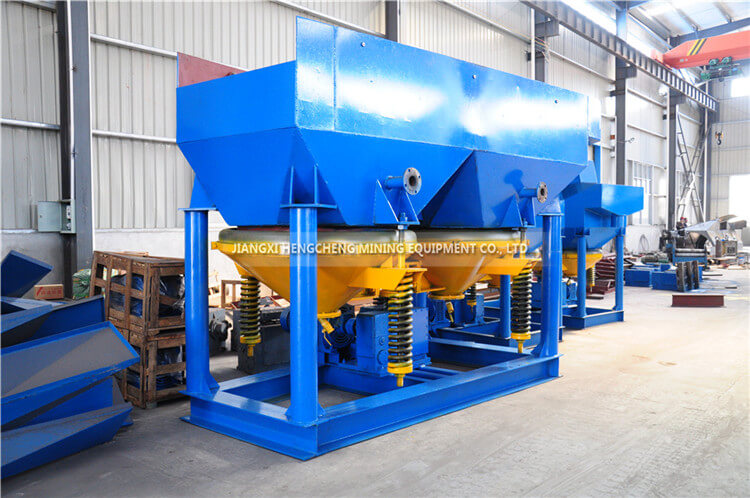
| Jig machine | 3–30 mm | Roughing stage for placer gold, tin, tungsten, hematite |
| Shaking table | 0.019–3 mm | Cleaning stage for gold, tin, tantalum concentrates |
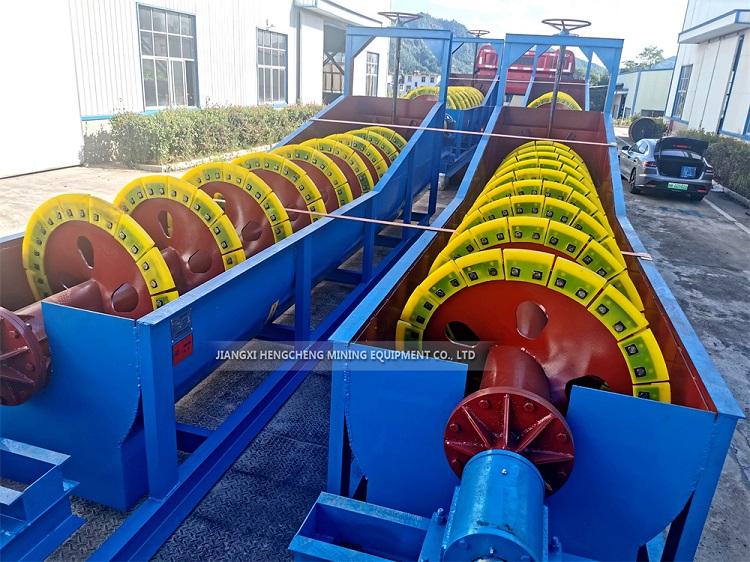
| Spiral chute | 0.02–2 mm | Fine placer gold, ilmenite, chromite, monazite |
| Centrifugal concentrator | <6 mm | Fine gold recovery, especially in grinding circuits |
For placer gold deposits, the flowsheet typically follows a “desliming → roughing → cleaning” sequence. Jigs handle the roughing duty with high capacity, while shaking tables produce final concentrates with concentration ratios of 50–100 times. For hard-rock gold ores, gravity separation is often placed before flotation or cyanidation to recover coarse, free-milling gold that would otherwise report to tailings.
Magnetic Separation Equipment
Magnetic separation applies to ferromagnetic and paramagnetic minerals. Selection depends on magnetic susceptibility, particle size, and whether the ore is processed in dry or wet form. For an overview of our full range, visit our Magnetic & Flotation Equipment category page.
For strongly magnetic minerals such as magnetite, low-intensity magnetic separators (drum or roller type) are sufficient and cost-effective. For weakly magnetic minerals such as ilmenite, monazite, and wolframite, high-intensity magnetic separators—including three-roller magnetic separators, or wet high-intensity magnetic separators—are required. Electrostatic separators are used in combination with magnetic separators for separating conductive and non-conductive minerals in heavy mineral sands.
For iron ore beneficiation, the typical flowsheet involves multi-stage crushing and screening, followed by dry magnetic pre-concentration for coarse gangue rejection, then wet magnetic separation or gravity concentration for the fine fraction.
Flotation Equipment
Flotation is the dominant method for base metal sulfides (copper, lead, zinc, molybdenum) and for many non-sulfide minerals such as spodumene (lithium) and graphite. Equipment selection follows the ore’s flotation kinetics and particle size distribution.
For coarse-grained, easily floated ores, mechanical agitation flotation cells with larger volumes are efficient. For complex ores with fine dissemination, a rougher-scavenger-cleaner circuit with multiple flotation stages is necessary. Column flotation cells are increasingly used for cleaning duties where high concentrate grade is required. In copper porphyry processing, the rougher-scavenger-cleaner configuration is standard, with flotation cells sized to the plant throughput. SF Flotation Cell is one of the most widely used models in this stage.
For ores containing both floatable and gravity-recoverable minerals—such as lithium ores with associated tantalum and niobium—a combined flowsheet with gravity separation before flotation can improve overall resource recovery.
Crushing and Grinding Equipment
Crushing and grinding account for approximately 40% of total power consumption in a typical mineral processing plant. Equipment selection here has the largest impact on both capital and operating costs.
| Stage | Equipment Options | Selection Basis |
|---|---|---|
| Primary crushing | Jaw crusher, gyratory crusher | Feed size >500 mm, hard ore: gyratory for high capacity; jaw for smaller plants |
| Secondary crushing | Cone crusher, impact crusher | Cone crusher for hard, abrasive ore; impact crusher for medium-hard, less abrasive ore |
| Tertiary crushing | Cone crusher (short head), VSI | Fine feed preparation for grinding |
| Grinding | Wet type ball mill, rod mill, AG/SAG mill | Bond Work Index, target grind size, plant scale |
The choice between autogenous/semi-autogenous grinding and conventional crushing-plus-ball-mill circuits depends on ore competence, feed size distribution, and project scale. AG/SAG circuits offer lower operating costs for competent ores with suitable size distribution, while conventional circuits provide more predictable performance for variable ores.
Step 4: Avoid Common Equipment Selection Mistakes
Mistake 1: Choosing equipment without ore-specific testing. A 2000 t/d iron concentrate plant in Hebei selected standard flotation equipment without testing the ore’s sulfur composition. The result: sulfur levels remained three times above the required threshold, and flotation cells suffered excessive wear due to unexpected abrasiveness. After customized testing and equipment modification with wear-resistant components, sulfur content was reduced to acceptable levels and maintenance costs dropped by 40%.
Mistake 2: Selecting equipment based only on upfront price. Lower-priced equipment may work initially, but over time it often leads to higher energy consumption per ton processed, shorter maintenance intervals, and declining recovery. The true cost of equipment includes power draw, liner and part replacement frequency, downtime during maintenance, and the impact on downstream processes.
Mistake 3: Neglecting commissioning and spare-parts logistics. Equipment that cannot be maintained with locally available parts, or that requires specialized commissioning expertise not available on site, creates ongoing operational risk. Selecting equipment with a clear maintenance protocol and accessible spare-parts supply chain is as important as the equipment’s technical specification.
Conclusion: How to Choose Mineral Processing Equipment
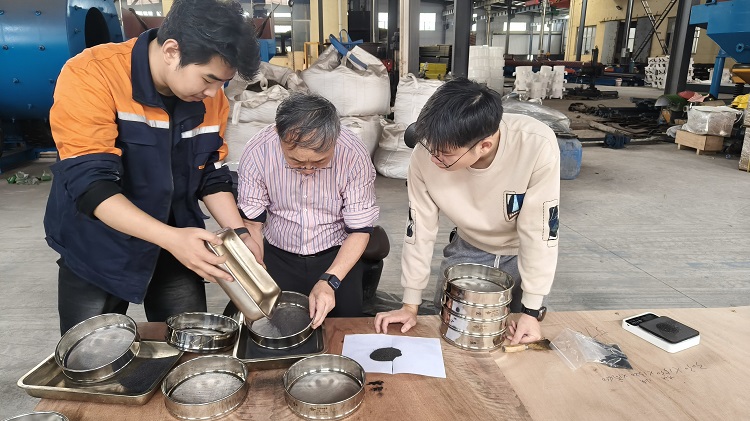
Choosing mineral processing equipment for a specific ore type is not a matter of selecting the most advanced or most affordable model. It requires ore characterization data, a clear understanding of the separation method appropriate to that ore, and a flowsheet that integrates crushing, grinding, separation, and auxiliary systems into a coherent whole. Projects that invest in pre-selection testing and ore-specific engineering consistently achieve faster commissioning, more stable operation, and lower life-of-mine costs.
Jiangxi Hengcheng Mining Equipment Co., Ltd. provides ore testing, flowsheet design, equipment manufacturing, and plant commissioning services for gold, tin, tungsten, tantalum-niobium, ilmenite, chrome, manganese, and other mineral processing projects. If you are planning a new plant or optimizing an existing circuit, our engineering team can review your ore data and recommend an equipment configuration tailored to your specific material. Contact us to discuss your project requirements.